





Building a paint booth system from start to finish, as we’ve discussed in previous blogs, requires proper planning and more steps than the average user might expect, especially on their first install
We’ve touched on the overall reality and the top-down perspective of a shop owner or installer, but what about trying to imagine the entire process? For today’s blog, we’re going to do just that, and imagine a hypothetical installation in Calgary, Alberta. What hurdles you might face, how to deal with them, and importantly, what it looks like from a real-world perspective.
Anticipation and Excitement
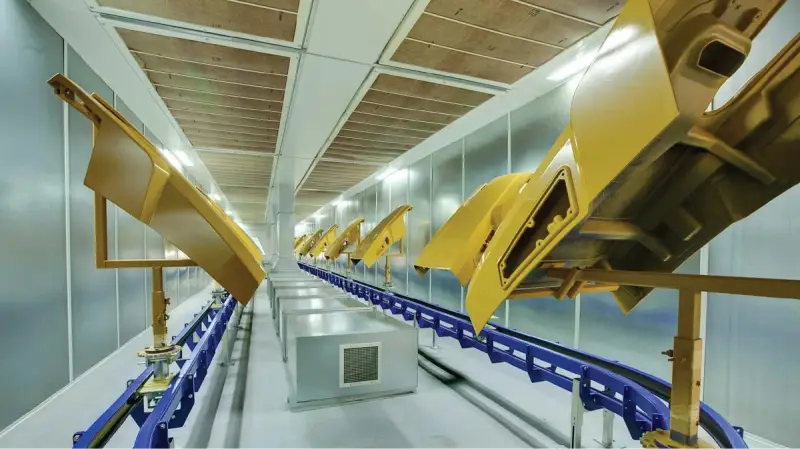
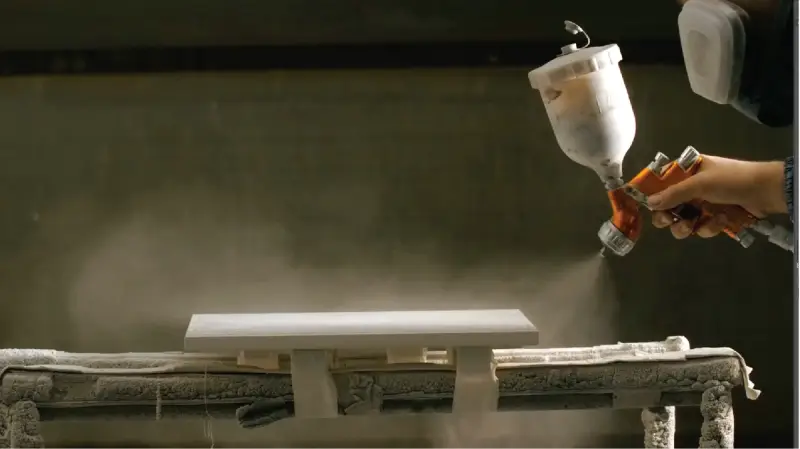
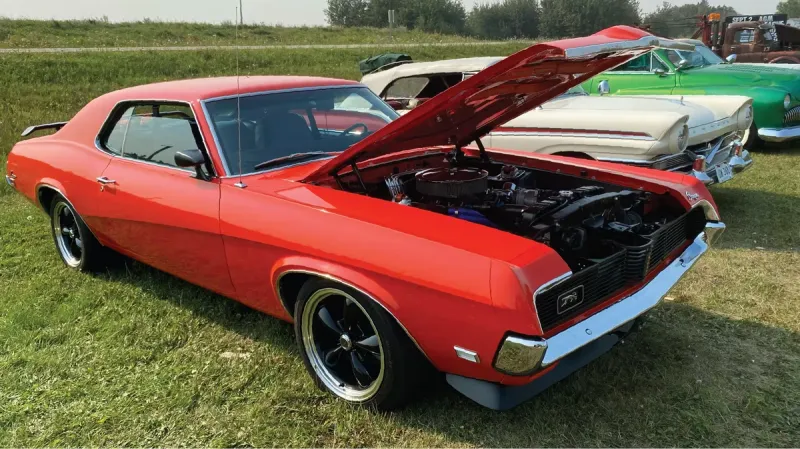
The idea of adding a modern spray booth to our hypothetical Calgary shop had the owners buzzing. They love classic cars; it’s been their shop's expertise for years, they even jury-rigged a “paint booth” for touch-ups, but a proper restoration paint job? That was always something in their dreams, not within the scope of their shop. So alongside client demand, they started to imagine a clean, efficient space with a down-draft booth and filters featuring the latest technology, where old hot-rod dreams would finally get the finishing touch they deserved. This booth was meant to let them paint classic cars year-round, even in the deep dark of Alberta’s winters, and to attract more classic and custom-built clients. To replace their Reddit-inspired ad-hoc “spray booth” of plastic sheets and a basic spray gun, they spent weeks poring over booth catalogues and talking to local body shops and suppliers like Alberta Booth. An engineer with a local supplier even warned them that make-up air heaters (to preheat incoming fresh air in winter) would be a significant expense. These units are often “one of the larger costs” in a booth project after all. Still, even forewarned of the real cost to get the results they want, they were all in, dreaming of perfect conditions once everything was set up.
Hitting Roadblocks: Permits and Codes
But reality set in fast once they hit a wall of red tape. They expected a quick renovation, especially for the price, but discovered that any industrial spray booth is subject to Alberta’s Safety Codes Act. They needed building permits, safety permits and a whole pile of documentation. For example, shop layout drawings are required to obtain a building permit to begin this project. Even the electrician helping with their project pointed out that NFPA 33 governs all spray booths – “all paint booth designs must comply with NFPA 33” (which in Canada means meeting Alberta’s National Fire Code requirements). It wasn’t as simple as just buying a big fan and hanging a curtain anymore.
Finding Solutions: Navigating Regulations
So, they rolled up their sleeves, leaned on supplier expertise, and did the homework. They worked with an Alberta-licensed professional engineer (most spray booths in the province require stamped drawings by law) to redraw their shop plans and specify proper equipment. Key items on their checklist included:
- Permitting & Plans: Submit building and safety permits with stamped drawings. Inspectors expected detailed shop layouts and proof that ventilation, structural changes (such as a roof curb for the fan), and fire suppression systems met code.
- NFPA/NFC Compliance: Update the design to meet NFPA 33 (Alberta’s version of the Fire Code) requirements. That meant adding explosion-relief panels in the ductwork, keeping a 3 m clearance around the booth, and ensuring the intake/outtake airflows were calculated correctly. They also committed to NFPA-recommended maintenance, for example, replacing filters and cleaning overspray residue per code to keep the booth safe.
- Approved Equipment: Install only CSA/ULC-certified gear. All booth components (motors, lights, control panels, gas burners, etc.) had to carry the proper Canadian safety listings. For example, their exhaust-fan motor needed a Class 1, Division 2 rating, so it was allowed in the hazardous-area classification around the booth.
- Professional Help & Inspection: They hired qualified trades and notified the local AHJ (the city’s Fire Inspections team). They installed the mandated fire-suppression heads and an emergency exhaust-cutoff switch, and even had a plumber run the NFPA-required sprinkler piping into the booth. Each stage (electrical, structural, fire) was inspected, so they coordinated every subcontractor’s schedule with the inspectors. Every box was planned for and checked for final approval.
Mission Ready: Safe, Compliant, and Ready to Paint
In the end, patience and planning paid off. Their shop now has a fully operational spray booth that earned the stamp of approval from Calgary’s building and fire inspectors. The first vehicle through the new booth was a beautifully restored 1948 Ford coupe, and it came out with a flawless finish, with a framed photo hanging by the till out front so they’d never forget that moment. They were thrilled to have that down draft booth finally, and even more relieved to know it was built right, with the support they needed at the time and in the future to keep it running right. Walking out of the permit office with that final green light felt just as satisfying as that first freshly painted car rolling out the door. Now they can point to every part of the project and say it meets Alberta’s codes exactly – from the Alberta Building Code (for the booth structure) to the Alberta Fire Code (National Fire Code – Alberta Edition) via NFPA 33. Fellow owners and friends turn to them for advice on their own setup ideas, and fellow classic car enthusiasts like the owners know it is one of the go-to places for a proper restoration paint job, thanks to their due diligence with the spray booth.
A Timeline of Events
The big question the team at Alberta Booth often hears, “How long will take?” When considering all the steps, it ultimately depends on the type of booth being built – custom, oversize, or standard – but generally the following timeline can be expected.
Assessment & Vendor Selection (1-4 weeks)
Design & Engineering (2-6 weeks)
Manufacturing & Delivery (4-12 weeks)
Site Preparation & Installation (1-2 weeks)
Training & Commissioning (1 week)
Have more questions?